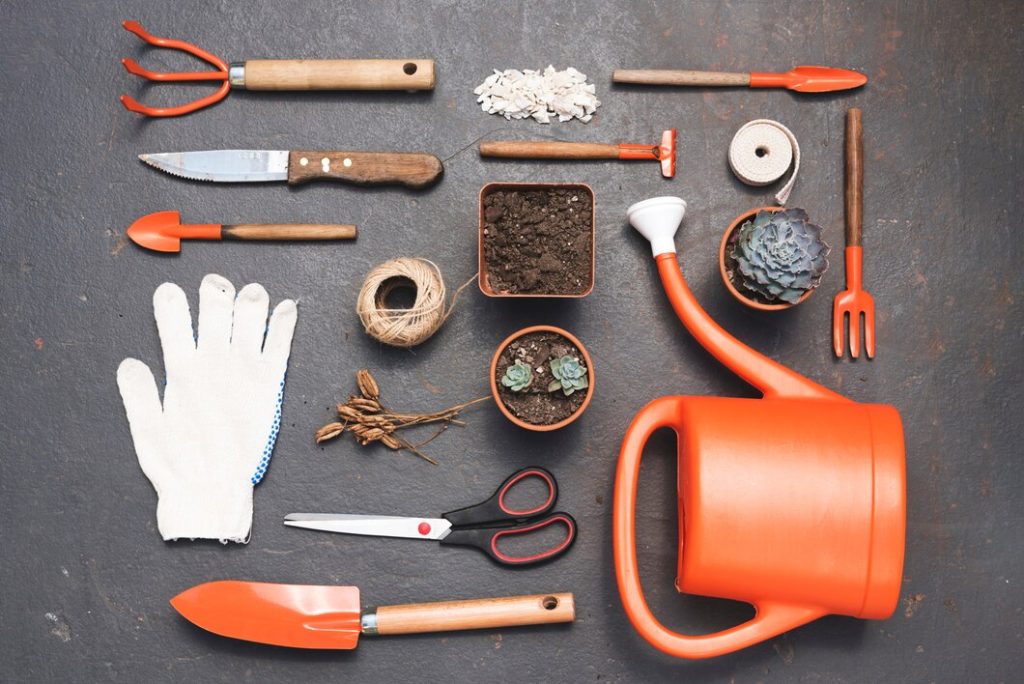
Japanese gardens are renowned for their exquisite beauty and meticulous design, and a significant part of their allure is owed to the precision and artistry of Japanese gardening tools. These tools have evolved over centuries, embodying the principles of Zen philosophy and a deep respect for nature. In this article, we will explore the fascinating world of Japanese gardening tools, from the history and symbolism behind them to their essential types and usage.
A Brief History
The history of Japanese gardening tools can be traced back to the Nara period (710-794 AD), when Buddhism was introduced to Japan, along with the concept of constructing temple gardens. It was during this time that the foundations of Japanese garden design and the tools required to create them began to take shape. Over the centuries, these tools have been refined and adapted, reflecting the changing landscape of Japanese culture and horticulture.
Symbolism in Japanese Gardening Tools
One of the fundamental principles of Japanese gardening is the reverence for nature, and this is mirrored in the symbolism attached to the tools used in these gardens. For example, the rake, or “kumade,” symbolizes the act of raking leaves and removing debris, but it also carries a deeper meaning of raking away impurities from one’s life and creating a clean slate. The pruning shears, or “sakari-basami,” represent the precision and care required to shape the garden, echoing the idea of meticulous attention to detail in life.
Types of Japanese Gardening Tools
- Pruning Tools:
- Pruning Shears (Sakari-basami): These sharp and delicate shears are essential for precise cutting, shaping, and maintaining the plants in a Japanese garden.
- Bonsai Shears (Bonsai-oki): Used for trimming and shaping bonsai trees, these small shears allow for intricate work on miniature trees.
- Saw (Nokogiri): Saws with fine teeth are used to make precise cuts on larger branches.
- Digging and Cultivating Tools:
- Hoes (Kuwa): Japanese hoes are designed with a unique shape and sharp edges, perfect for weeding and cultivating the soil.
- Soil Scoop (Shovel – Sutebo): This tool, resembling a scoop, is ideal for digging and transferring soil and compost in the garden.
- Watering Tools:
- Watering Can (Kiki): These cans have a long spout, enabling a gentle, controlled flow of water, crucial for avoiding soil erosion and damage to delicate plants.
- Raking Tools:
- Bamboo Rake (Kumade): Bamboo rakes are used for smoothing and raking the gravel or sand in Zen gardens, creating the distinctive patterns and lines that represent waves or streams.
- Broom (Chasen): Brooms made from bamboo are used to sweep away debris, leaves, and grass clippings.
- Weeding and Planting Tools:
- Weeding Hoe (Nejiri-Kama): Designed for precise weeding, these hoes allow gardeners to get close to the roots of unwanted plants.
- Dibber (Shogikibou): A dibber is a pointed stick used for planting bulbs and seeds with care and precision.
Zen Gardens and Japanese Gardening Tools
Zen gardens, or “kare-sansui” gardens, are known for their simplicity and minimalism. In these gardens, the use of gardening tools is not merely functional but is deeply intertwined with the philosophy of Zen Buddhism. The carefully raked gravel or sand in Zen gardens, symbolizing water or waves, is meticulously shaped using the bamboo rake to create patterns that evoke tranquility and harmony. The act of raking itself is considered a form of meditation, emphasizing the significance of the process over the end result.
Maintenance and Care
Proper maintenance and care of Japanese gardening tools are essential to ensure their longevity and effectiveness. It’s customary to clean and dry tools after each use to prevent rust. Many gardeners also apply a thin coat of oil to protect metal parts. Handles, often made from bamboo or wood, should be regularly inspected for damage and replaced if necessary. By maintaining these tools with care, gardeners uphold the tradition and respect for the art of Japanese gardening.
Japanese gardening tools are not just instruments for tending to plants; they are symbolic extensions of the gardener’s relationship with nature and the principles of Zen philosophy. Their elegant design and deep-rooted symbolism make them essential components of the Japanese garden, where meticulous care and precision are valued above all else. As you explore the world of Japanese gardening, remember that each tool carries with it centuries of tradition and a profound reverence for the natural world, enriching the experience of creating and maintaining these timeless landscapes.