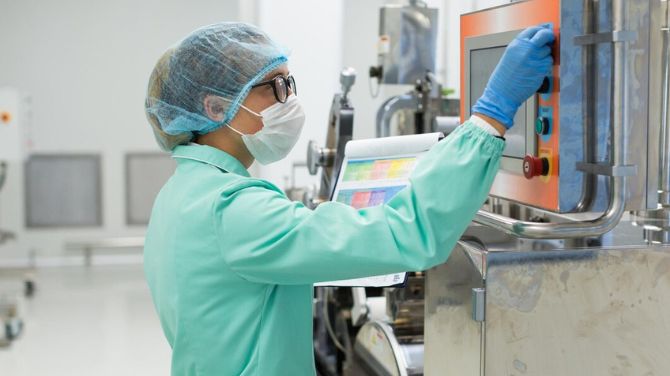
In the ever-evolving landscape of workplace safety and personal protection, protective handwear plays a crucial role in safeguarding the hands of workers across various industries. These gloves are more than just a piece of clothing; they are a vital line of defense against a wide range of occupational hazards. Behind the scenes, a protective handwear manufacturer is at the forefront of innovation, ensuring that workers have access to gloves that not only protect but also enhance their performance and comfort.
The Importance of Protective Handwear
Protective handwear, including gloves, serves several vital functions:
- Safety: The primary purpose of protective handwear is to protect the wearer from various hazards such as cuts, abrasions, chemical exposures, and extreme temperatures. In industries like construction, manufacturing, healthcare, and food handling, the right pair of gloves can make a significant difference in preventing accidents and injuries.
- Comfort: Comfortable gloves are more likely to be worn consistently, promoting workplace safety. A well-designed glove should not impede dexterity or tactile sensitivity while providing protection.
- Performance Enhancement: In some industries, gloves are not just for protection but also for enhancing performance. Specialized gloves, like those used by athletes, firefighters, or medical professionals, are designed to improve grip, flexibility, and overall effectiveness.
- Hygiene and Infection Control: In healthcare and food handling sectors, gloves are essential for maintaining hygiene and preventing the spread of infections.
The Role of Protective Handwear Manufacturers
Manufacturers of protective handwear are the backbone of the industry, responsible for designing, testing, and producing gloves that meet stringent safety standards while addressing the specific needs of various industries and applications. Here’s a closer look at the crucial role they play:
- Research and Development: Manufacturers invest heavily in research and development to create gloves that are not only protective but also technologically advanced. They study materials, ergonomics, and user feedback to continuously improve glove designs.
- Materials Innovation: The choice of materials is critical in glove manufacturing. Manufacturers work with a wide range of materials, including leather, rubber, synthetic polymers, and specialty fabrics, to develop gloves tailored for specific purposes. For instance, cut-resistant gloves may use advanced fibers like Kevlar, while chemical-resistant gloves require specialized polymers.
- Safety Compliance: Manufacturers are responsible for ensuring that their gloves meet industry-specific safety standards and regulations. This involves rigorous testing and quality control to guarantee that the gloves perform as intended and provide the necessary protection.
- Customization: Many industries require customized glove solutions to meet their unique needs. Manufacturers work closely with clients to develop gloves that address specific hazards and work conditions.
- Sustainability: With growing environmental concerns, protective handwear manufacturers are increasingly focusing on sustainable materials and production processes. They are striving to reduce their environmental footprint while maintaining product quality and safety.
- Education and Training: Manufacturers often provide educational resources and training to end-users to ensure they understand the proper use and maintenance of gloves. This helps maximize glove effectiveness and longevity.
Challenges Faced by Protective Handwear Manufacturers
While protective handwear manufacturers play a vital role in ensuring workplace safety, they also face several challenges:
- Evolving Regulations: Keeping up with ever-changing safety regulations and standards can be challenging. Manufacturers must stay informed and update their products accordingly.
- Material Costs: Fluctuations in the prices of raw materials can impact production costs, affecting the affordability of protective handwear for end-users.
- Supply Chain Disruptions: Disruptions in the global supply chain, such as those seen during the COVID-19 pandemic, can lead to delays in production and distribution.
- Competitive Market: The protective handwear market is competitive, with many manufacturers vying for contracts and customers. This competition can put pressure on pricing and profit margins.
Protective handwear manufacturers are the unsung heroes of workplace safety, continuously striving to create innovative, protective, and comfortable gloves that enhance the safety and performance of workers across various industries. Their dedication to research and development, safety compliance, customization, and sustainability is crucial in the fight to reduce workplace injuries and improve overall occupational health. As industries continue to evolve, so too will the role of protective handwear manufacturers, adapting to new challenges and technologies to ensure that workers have the best possible protection for their hands, enabling them to perform their jobs safely and effectively. The next time you put on a pair of gloves at work, remember the extensive efforts of these manufacturers working diligently behind the scenes to keep your hands safe.