Handling corrosive, toxic, and reactive chemicals requires strict safety controls in laboratories and industrial environments. If you regularly work with acids, solvents, or chemical etchants, you already understand the risks involved in open handling systems. A wet processing station significantly improves safety by providing a controlled environment for chemical processing, minimizing exposure, and preventing accidents.
By using a properly designed wet processing station, you protect yourself, your team, and your laboratory infrastructure from chemical hazards while maintaining precision and efficiency.
Creates a Controlled Chemical Handling Environment
When you work with hazardous chemicals, controlling the environment is essential. A wet processing station is designed to isolate chemical reactions and handling processes within a dedicated workspace.
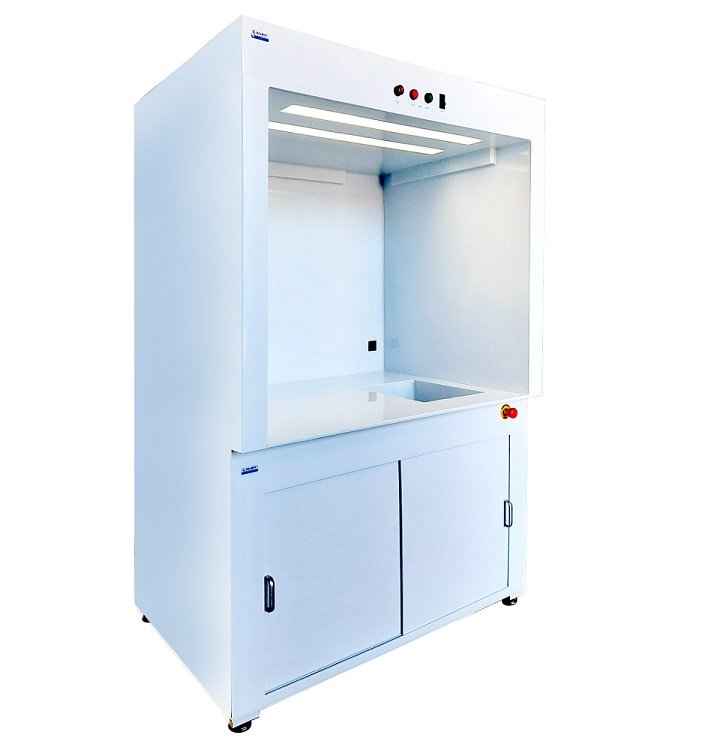
Instead of working on open laboratory benches, you perform chemical procedures inside a station equipped with proper ventilation, chemical-resistant surfaces, and containment features. This setup prevents chemical vapors, splashes, and spills from spreading into the surrounding workspace.
Using a high-performance wet processing station for safe chemical handling in laboratories allows you to carry out wet chemistry operations with greater confidence and safety.
Protects You from Chemical Exposure
Direct exposure to chemicals can lead to burns, respiratory problems, or long-term health risks. A wet processing station reduces these risks by incorporating ventilation systems and protective barriers.
Fume extraction systems capture hazardous vapors before they reach your breathing zone. At the same time, splash guards and ergonomic designs help prevent chemical contact with your skin and eyes.
When you consistently use a wet processing station, you significantly reduce the likelihood of accidental exposure, making your daily work safer and more predictable.
Improves Spill Containment and Management
Chemical spills are one of the most common laboratory hazards. Even a small spill can damage equipment, contaminate samples, or create dangerous working conditions.
Wet processing stations are built with integrated containment features such as raised edges, drainage systems, and corrosion-resistant materials. These design elements help you manage spills quickly and prevent chemicals from spreading across your laboratory.
By containing spills at the source, you maintain a safer workspace and simplify cleanup procedures.
Supports Safe Handling of Corrosive Chemicals
Many laboratory processes involve highly corrosive chemicals such as acids and bases. Without proper infrastructure, these substances can damage work surfaces and pose serious risks.
Wet processing stations are typically constructed with materials like polypropylene or other chemical-resistant components that withstand aggressive chemicals without degrading.
This durability ensures your workstation remains stable and reliable even when you frequently work with harsh substances. It also prevents structural damage that could lead to leaks, contamination, or unsafe working conditions.
Enhances Laboratory Workflow Efficiency
Safety and efficiency often go hand in hand. When your chemical processing area is well organized and purpose-built, you can perform tasks faster and with fewer errors.
A wet processing station helps you streamline your workflow by providing designated areas for chemical handling, rinsing, and sample processing. Tools, containers, and chemicals remain within reach, reducing unnecessary movement and improving task accuracy.
With a safer and more organized system in place, you can focus on precision and productivity instead of worrying about potential hazards.
Supports Compliance with Laboratory Safety Standards
Many laboratories must comply with strict safety regulations and industry standards related to chemical handling. A wet processing station helps you meet these requirements by incorporating built-in safety features such as ventilation, chemical resistance, and proper waste management.
Using professionally designed laboratory equipment from trusted manufacturers like CleaTech LLC advanced laboratory safety equipment manufacturer ensures your workspace aligns with modern laboratory safety practices.
This not only protects personnel but also helps your organization maintain compliance with regulatory guidelines and safety audits.
Reduces Cross-Contamination Risks
In laboratories that handle multiple chemical processes, contamination can affect experiment accuracy and product quality. Wet processing stations help prevent this issue by isolating chemical operations within a dedicated workspace.
Integrated rinsing systems and controlled drainage prevent chemical residues from mixing with other samples or processes. This controlled environment allows you to maintain higher levels of cleanliness and process reliability.
As a result, your laboratory results become more consistent and dependable.
Provides Long-Term Safety and Reliability
Investing in a wet processing station is not just about immediate safety—it’s about building a long-term protective system for your laboratory.
High-quality stations are designed to withstand years of chemical exposure, heavy use, and demanding laboratory conditions. With proper maintenance, they continue to provide a reliable and safe environment for chemical processing.
If you are planning to upgrade your laboratory safety infrastructure, contact us today to discuss custom wet processing station solutions tailored to your facility’s requirements.
Conclusion
Chemical handling always carries inherent risks, but the right equipment dramatically reduces those dangers. A wet processing station provides the controlled environment, ventilation, containment, and chemical resistance necessary for safe laboratory operations.
By integrating this specialized workstation into your facility, you create a safer workspace, improve workflow efficiency, and protect both personnel and equipment from hazardous chemical exposure.
Whether you operate a research lab, semiconductor facility, or industrial processing environment, implementing a wet processing station is a practical step toward safer and more reliable chemical handling.
FAQ: Wet Processing Station and Chemical Safety
What is a wet processing station used for?
A wet processing station is used for handling chemicals in laboratory and industrial settings. It provides a controlled environment for tasks such as chemical etching, cleaning, rinsing, and sample preparation while improving safety.
How does a wet processing station improve laboratory safety?
It improves safety by controlling chemical fumes, containing spills, and providing chemical-resistant surfaces that prevent damage and exposure during wet chemistry operations.
What materials are wet processing stations typically made from?
Most wet processing stations are made from chemical-resistant materials such as polypropylene, stainless steel, or specialized plastics designed to withstand corrosive substances.
Which industries commonly use wet processing stations?
Industries such as semiconductor manufacturing, electronics, pharmaceuticals, research laboratories, and chemical processing facilities frequently use wet processing stations.
Why should laboratories invest in a professional wet processing station?
A professionally designed wet processing station improves chemical safety, supports regulatory compliance, enhances workflow efficiency, and reduces the risk of contamination or chemical exposure.