Long-term sample storage requires more than simply choosing equipment that reaches a low temperature. You need a laboratory freezer that can maintain stable conditions, protect sensitive materials, support your storage workflow, and operate reliably over extended periods. By evaluating temperature requirements, capacity, recovery performance, organization, monitoring, and energy use, you can select equipment that matches your laboratory’s specific storage needs.
Start With Your Sample Storage Requirements
Before comparing freezers, identify exactly what you plan to store. Biological samples, reagents, enzymes, pharmaceuticals, specimens, and research materials can have different temperature requirements.
Determine the required storage temperature first. Standard laboratory freezers may suit materials that require conventional frozen storage, while temperature-sensitive samples may require specialized low-temperature equipment.
You should also consider:
- Required storage temperature and allowable variation
- Sample volume and container sizes
- Expected storage duration
- Number of samples you currently handle
- Future storage growth
- Frequency of door opening
- Space available in your laboratory
Creating a simple storage profile helps you avoid purchasing equipment based only on advertised temperature ranges.
Choose the Right Temperature Range
Temperature stability is particularly important when you are storing samples for months or years. A freezer that frequently fluctuates outside your acceptable range can compromise sample quality.
Look beyond the minimum temperature specification. Check how consistently the freezer maintains its set point under normal operating conditions. If your workflow requires strict temperature control, prioritize models with precise controls, dependable sensors, and effective insulation.
For specialized research materials, verify that the freezer’s operating range aligns with the manufacturer’s recommended storage conditions for your samples.
When comparing laboratory freezers for long-term sample preservation, consider both temperature capability and stability rather than focusing on one specification.
Match Storage Capacity to Your Workflow
Capacity affects both organization and efficiency. An oversized freezer can consume unnecessary floor space and energy, while an undersized model can quickly become difficult to organize.
Estimate your current storage requirements and add reasonable room for future growth. Consider how samples will be arranged inside the freezer. Shelves, drawers, racks, and compartments can make a significant difference when you need to locate individual containers quickly.
You should also account for container dimensions. A freezer may have a large stated capacity but provide less practical storage if your preferred racks or containers do not fit efficiently.
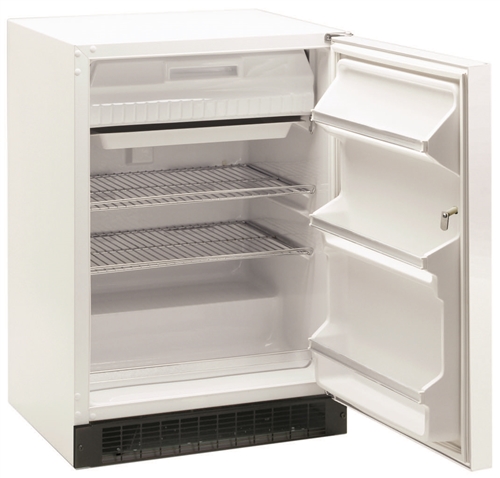
For laboratories managing expanding inventories, selecting laboratory freezers with organized sample storage capacity can make retrieval easier and reduce unnecessary door-open time.
Evaluate Temperature Recovery and Insulation
Every time you open a freezer door, warm air enters the storage compartment. Frequent access can therefore affect internal temperature.
Strong insulation helps reduce temperature changes, while efficient refrigeration systems can help the unit recover after the door is closed. Look for designs that support consistent internal conditions during routine laboratory use.
If multiple users access the same freezer throughout the day, consider how often the door will be opened and whether the equipment is designed for that level of activity.
You can also improve stability by organizing frequently accessed samples in convenient locations and avoiding prolonged door openings.
Consider Monitoring and Safety Features
Long-term storage becomes much safer when you can identify temperature problems quickly. Depending on your application, useful features may include digital temperature displays, audible or visual alarms, sensor systems, door-open alerts, and external monitoring compatibility.
Ask yourself what should happen if the temperature rises unexpectedly. You may need an alarm system that immediately alerts laboratory personnel so corrective action can begin.
Power interruptions are another consideration. If samples are particularly valuable, establish an emergency response plan that includes backup power, alternative storage, or temperature monitoring.
When you select laboratory freezers for secure long-term sample storage, consider monitoring capabilities as part of your overall sample-protection strategy.
Check Energy Efficiency and Maintenance Needs
A freezer can operate continuously, making energy consumption an important part of its long-term operating cost. Compare energy-efficient designs and consider how insulation, refrigeration technology, and operating conditions affect consumption.
Maintenance requirements should also fit your laboratory resources. Review cleaning procedures, filter requirements if applicable, service accessibility, alarm testing, and recommended preventive maintenance.
Place the freezer in an appropriate environment with adequate ventilation and sufficient clearance according to the manufacturer’s installation requirements. Poor placement can affect performance and increase operating demands.
Compare Laboratory Freezers Before You Buy
Once you know your temperature, capacity, monitoring, and workflow requirements, compare several models using the same criteria. Check specifications carefully instead of relying only on product names or general descriptions.
Consider:
- Temperature range and stability
- Usable storage capacity
- Internal organization
- Temperature recovery
- Alarm and monitoring options
- Door configuration
- Energy efficiency
- Maintenance requirements
- Available laboratory space
- Manufacturer support
You can explore laboratory freezers for dependable long-term sample storage through Global Lab Supply and compare equipment according to your laboratory requirements.
The right selection should support your current workflow without creating unnecessary limitations as your sample inventory grows.
Protect Your Samples With the Right Freezer
Choosing laboratory freezer equipment becomes easier when you evaluate it around your actual samples and daily workflow. Start with storage temperature, then consider capacity, stability, recovery, monitoring, energy consumption, and maintenance. A careful comparison can help you create a dependable storage environment while making sample organization and retrieval more efficient.
If you need help identifying equipment for your application, contact us today for laboratory freezer selection assistance and discuss your storage requirements before making a purchase.
Frequently Asked Questions
What should you consider when selecting laboratory freezers?
Consider the required storage temperature, temperature stability, capacity, sample organization, recovery performance, monitoring features, energy efficiency, available space, and maintenance requirements.
How important is temperature stability for long-term sample storage?
Temperature stability is important because repeated or prolonged temperature fluctuations can affect sensitive samples. Choose equipment that can maintain conditions appropriate for your specific materials.
How much laboratory freezer capacity do you need?
Estimate your current sample volume, container sizes, and expected future growth. Choose enough usable capacity to keep samples organized without overcrowding the storage compartment.
What monitoring features can laboratory freezers provide?
Depending on the model, monitoring features may include digital temperature displays, audible alarms, visual alerts, door-open alarms, temperature sensors, and external monitoring compatibility.
How can you improve laboratory freezer performance?
Follow the manufacturer’s installation and maintenance instructions, avoid unnecessary door openings, maintain proper organization, provide adequate ventilation, and regularly check temperature and alarm performance.