Industrial painting is a specialized field that requires precision, expertise, and a deep understanding of the unique challenges posed by industrial environments. Whether you’re a seasoned industrial painter or new to the profession, mastering the art of industrial painting involves mastering a variety of techniques to ensure optimal results. In this comprehensive guide, we’ll explore essential techniques that every industrial painter should know to achieve exceptional results and deliver superior industrial painting services. commercial coatings Los Angeles CA
Understanding the Basics of Industrial Painting
The Role of an Industrial Painter
Industrial painters are responsible for applying protective coatings to a variety of surfaces in industrial settings, including factories, warehouses, bridges, and equipment. Their primary goal is to protect surfaces from corrosion, abrasion, and other forms of damage while enhancing their durability and longevity.
Importance of Surface Preparation
Surface preparation is crucial in industrial painting to ensure proper adhesion and long-lasting results. This process involves cleaning, sanding, and priming surfaces to remove contaminants, smooth out imperfections, and create an ideal substrate for paint application.
Essential Techniques for Industrial Painting
Spray Painting
Spray painting is a commonly used technique in industrial painting due to its efficiency and versatility. Industrial painters use airless sprayers, HVLP (High Volume Low Pressure) guns, and electrostatic sprayers to apply paint evenly and quickly to large surfaces such as walls, ceilings, and machinery.
Brush and Roller Application
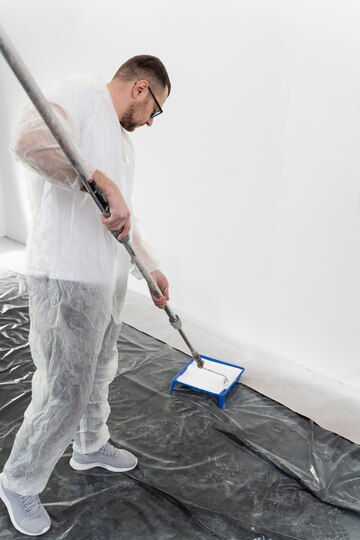
While spray painting is suitable for large areas, brush and roller application is often used for detailed work and smaller surfaces. Industrial painters use high-quality brushes and rollers to achieve precision and control, ensuring thorough coverage and a smooth finish.
Specialty Coatings Application
Industrial environments often require specialty coatings to withstand harsh conditions such as chemicals, high temperatures, and abrasion. Industrial painters are trained to apply a variety of specialty coatings, including epoxy, polyurethane, and corrosion-resistant coatings, to provide maximum protection and durability. industrial coatings Los Angeles CA
Tips for Successful Industrial Painting
Proper Ventilation
Ensure adequate ventilation in the work area to prevent the buildup of fumes and ensure the safety of workers. Use fans, exhaust systems, and personal protective equipment (PPE) such as respirators to minimize exposure to harmful chemicals.
Temperature and Humidity Control
Consider temperature and humidity levels when planning industrial painting projects. Extreme temperatures and high humidity can affect paint adhesion and drying times, leading to inferior results. Work in controlled environments or use temperature and humidity-resistant paints when necessary.
Quality Materials and Equipment
Invest in high-quality paints, coatings, brushes, rollers, and spraying equipment to achieve professional results. Using inferior materials can lead to poor adhesion, premature wear, and costly rework. Choose products that are specifically designed for industrial applications and meet industry standards.
Safety First
Prioritize safety in all aspects of industrial painting. Provide adequate training, safety equipment, and supervision to ensure that workers are protected from hazards such as falls, chemical exposure, and respiratory issues. Adhere to safety regulations and industry best practices to prevent accidents and injuries.
Conclusion
Mastering the art of industrial painting requires a combination of skill, knowledge, and experience. By understanding the basics of industrial painting, mastering essential techniques, and following best practices for successful painting projects, industrial painters can deliver exceptional results and provide superior industrial painting services to their clients. Whether you’re spray painting large surfaces, applying specialty coatings, or using brush and roller techniques for detailed work, attention to detail and adherence to safety protocols are essential for achieving optimal outcomes. With the right techniques and practices in place, industrial painters can transform industrial spaces and protect surfaces for years to come. commercial painting contractor San Antonio TX