

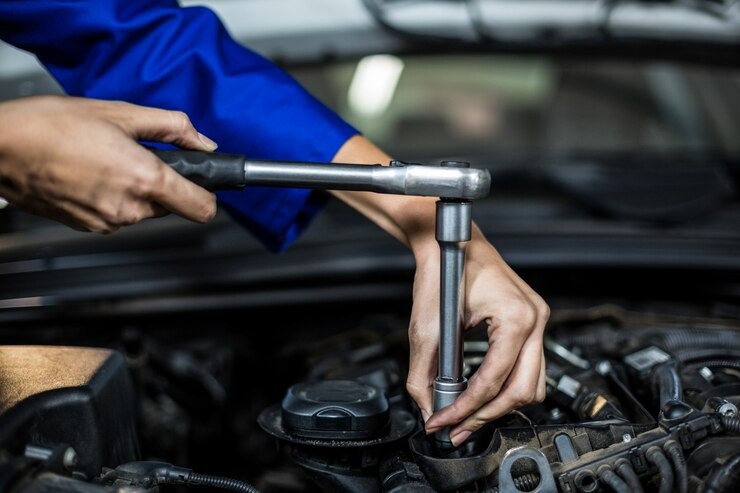
Every time you tighten a critical fastener, you expect your torque wrench to deliver the exact amount of force required. Whether you work in manufacturing, automotive repair, construction, aerospace, energy, or industrial maintenance, even a slight variation in torque can affect safety, performance, and product quality.
If you haven’t checked your torque wrench recently, you could be relying on a tool that no longer meets its specified tolerance. Regular calibration is the only reliable way to confirm that your wrench continues to perform as intended. Understanding when and why to calibrate helps you reduce costly errors, extend tool life, and maintain confidence in every job.
Why Torque Tolerance Matters
Your torque wrench is designed to apply a specific amount of rotational force. Manufacturers establish acceptable tolerance limits to ensure bolts and fasteners are tightened correctly.
When your wrench falls outside those limits, problems begin to appear.
You may experience:
- Loose fasteners
- Over-tightened bolts
- Damaged threads
- Premature equipment failure
- Increased maintenance costs
- Safety hazards
- Product quality issues
Even small torque inaccuracies can create significant problems over time, especially in industries where precision is essential.
What Causes a Torque Wrench to Drift Out of Tolerance?
No torque wrench remains perfectly accurate forever. Daily use gradually changes its performance.
Several factors contribute to calibration drift.
Frequent Use
The more often you use your wrench, the faster internal components experience wear. Springs, ratchets, and adjustment mechanisms naturally lose accuracy after repeated cycles.
Heavy-use tools often require more frequent calibration than lightly used equipment.
Improper Storage
Leaving a torque wrench fully loaded or storing it in humid environments places unnecessary stress on internal parts.
Returning adjustable click-type torque wrenches to their minimum setting after use helps reduce spring fatigue.
Accidental Drops
Dropping your wrench onto a hard surface may not leave visible damage, but internal calibration can shift immediately.
Any tool that has been dropped should be tested before further use.
Harsh Working Conditions
Dust, vibration, moisture, chemicals, and temperature fluctuations all contribute to faster wear.
Industrial environments are especially demanding on precision tools.
Warning Signs Your Torque Wrench May No Longer Be Accurate
Sometimes the signs are obvious. Other times, calibration problems develop gradually.
Watch for these common indicators:
- Inconsistent tightening results
- Unexpected bolt failures
- Click mechanism feels different
- Visible wear or damage
- Difficulty reaching set torque
- Increased equipment maintenance
- Failed quality inspections
- Customer complaints regarding assembly quality
If you notice any of these issues, calibration should become a priority.
Why Guessing Is Never a Good Strategy
Many technicians assume their torque wrench remains accurate simply because it “feels right.”
Unfortunately, feel alone cannot verify calibration.
Human perception cannot detect small torque deviations that may already exceed allowable tolerances.
Calibration provides measurable proof that your tool continues meeting manufacturer specifications.
Instead of relying on assumptions, you rely on documented testing.
How Calibration Protects Your Work
Professional calibration does more than confirm accuracy.
It protects your entire operation.
Benefits include:
- Improved product consistency
- Better assembly quality
- Reduced rework
- Fewer warranty claims
- Increased workplace safety
- Better regulatory compliance
- Longer equipment life
Accurate torque supports reliable performance from every component you install.
How Often Should You Calibrate?
There is no universal schedule because usage varies.
Many manufacturers recommend calibration every 5,000 cycles or every 12 months, whichever comes first.
However, you may need more frequent calibration if you:
- Use the wrench daily
- Work in heavy industrial environments
- Perform safety-critical applications
- Experience frequent transportation
- Have recently repaired the tool
- Dropped the wrench
A usage-based calibration schedule often provides better protection than relying solely on calendar dates.
What Happens During Professional Calibration?
Professional calibration follows a controlled process using certified equipment.
Technicians typically:
- Inspect the wrench
- Check overall condition
- Test multiple torque points
- Compare measured values with standards
- Adjust calibration if necessary
- Retest accuracy
- Document final results
- Issue a calibration certificate
This documented process provides traceability and confidence that your tool performs within acceptable limits.
Why Documentation Matters
Calibration records are valuable beyond the workshop.
Many industries require documented proof that measurement tools remain accurate.
Proper records help you:
- Pass quality audits
- Demonstrate compliance
- Maintain customer confidence
- Track tool performance
- Schedule preventive maintenance
- Identify recurring issues
Good documentation supports both operational excellence and quality management systems.
Simple Habits That Help Maintain Accuracy
Although calibration is essential, proper handling helps maintain accuracy between service intervals.
You can extend the life of your torque wrench by following these practices.
Store It Properly
Always return adjustable torque wrenches to their minimum setting before storage.
Keep them inside protective cases away from moisture and dust.
Never Use It as a Breaker Bar
Torque wrenches measure force.
They are not designed to loosen stubborn fasteners.
Using them this way damages internal mechanisms.
Keep It Clean
Regular cleaning prevents dirt and debris from affecting moving parts.
Avoid excessive lubrication unless recommended by the manufacturer.
Handle With Care
Avoid impacts, drops, and unnecessary force.
Precision instruments deserve careful handling.
Follow Manufacturer Instructions
Each torque wrench has specific operating recommendations.
Using the correct procedures helps maintain long-term accuracy.
The Cost of Delayed Calibration
Skipping calibration may seem like a way to save money.
In reality, it often increases costs.
Potential consequences include:
- Equipment downtime
- Failed inspections
- Production delays
- Rework expenses
- Safety incidents
- Product recalls
- Customer dissatisfaction
- Premature tool replacement
Routine calibration is significantly less expensive than correcting failures caused by inaccurate torque.
Choosing a Reliable Calibration Partner
Not every calibration provider offers the same level of expertise.
Look for a provider that offers:
- Experienced calibration technicians
- Traceable calibration standards
- Detailed documentation
- Fast turnaround times
- Industrial expertise
- Preventive maintenance recommendations
- Comprehensive inspection services
Working with an experienced provider gives you greater confidence in every calibrated tool.
To learn more about professional industrial weighing, measurement, and calibration solutions, visit the comprehensive services offered by Industrial Scale & Measurement for precision measurement and calibration expertise.
If your facility depends on accurate fastening performance, professional Torque Wrench Calibration Houston services that verify every tool remains within tolerance can help reduce costly errors while improving equipment reliability.
When you’re ready to schedule calibration, request service through the contact page to speak with an experienced calibration specialist and keep your equipment performing at its best.
Final Thoughts
Your torque wrench is one of the most important precision tools in your toolbox. Every fastening application depends on its ability to deliver accurate, repeatable torque.
Rather than waiting for failures to reveal hidden inaccuracies, you can take a proactive approach. Routine calibration verifies performance, supports quality control, reduces downtime, and protects both your equipment and your reputation.
If you cannot confidently say your torque wrench remains within tolerance, now is the right time to have it professionally evaluated.
Frequently Asked Questions
1. How often should you calibrate a torque wrench?
Most manufacturers recommend calibration every 5,000 uses or every 12 months. Heavy industrial use or accidental drops may require more frequent testing.
2. Can a torque wrench lose accuracy without visible damage?
Yes. Internal components can wear or shift through normal use, even if the tool looks perfectly fine externally.
3. Why is torque wrench calibration important?
Calibration ensures accurate fastening, improves product quality, reduces equipment failures, and supports compliance with quality standards.
4. What happens if a torque wrench is out of tolerance?
It may over-tighten or under-tighten fasteners, leading to safety risks, equipment damage, rework, and costly repairs.
5. Should a dropped torque wrench be recalibrated?
Yes. Even a minor impact can affect internal accuracy. Testing after a drop confirms the tool still performs within specified tolerance.
