

Ceylon, the tropical paradise formerly known as Sri Lanka, is not only celebrated for its breathtaking landscapes but also for its world-class tea. While it is famous for its bold and robust black teas, the country also boasts a hidden gem in its tea collection – Ceylon Green Tea. This vibrant, refreshing, and aromatic brew reflects the unique terroir of Sri Lanka and the skill of its tea artisans. In this article, we will delve into the enchanting world of Ceylon Green Tea Collection, exploring its origins, production, types, and the sensory delight it offers.
The Birthplace of Ceylon Green Tea
Sri Lanka’s association with tea began in the 19th century when the British introduced tea cultivation as a replacement for the coffee industry, which was decimated by a disease. Initially, the focus was primarily on black tea, which grew to become a symbol of the country. However, the journey towards Ceylon Green Tea began much later, taking its first steps in the mid-20th century.
The central highlands of Sri Lanka, including regions like Nuwara Eliya, Uva, and Dimbula, soon emerged as ideal locations for green tea production. The cool, misty climates, varying altitudes, and fertile soils of these regions provided the perfect conditions for growing tea leaves that would yield a lighter, more delicate flavor.
Production Process
Ceylon Green Tea is produced from the leaves of the Camellia sinensis plant, just like other types of tea. However, its unique flavor and character are a result of distinct processing methods that set it apart from black tea. The production process includes the following key steps:
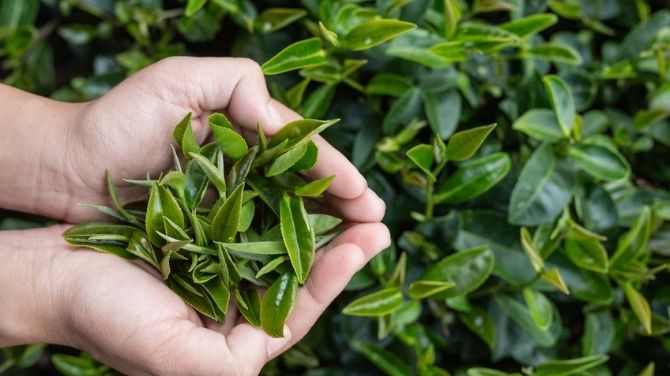
- Plucking: Only the young, tender tea leaves and buds are carefully hand-plucked. The skill and precision of the plucking process are crucial in ensuring the quality of the green tea.
- Withering: The plucked leaves are spread out to wither, allowing them to lose moisture and become pliable. This step is essential for initiating the enzymatic oxidation process.
- Rolling: After withering, the leaves are gently rolled or shaped. This helps to release the essential oils and enzymes that influence the flavor and aroma of the tea.
- Firing: Unlike black tea, green tea is not allowed to oxidize. Instead, it is quickly fired or heated to halt the oxidation process. This step preserves the vibrant green color of the leaves and results in a fresher, lighter flavor.
Types of Ceylon Green Tea
Ceylon Green Tea comes in a variety of styles and flavor profiles, each influenced by the region in which it is grown and the specific processing techniques employed. Here are some notable types of Ceylon Green Tea:
- Uva Green Tea: Uva is known for its sharp, brisk, and aromatic green teas. The region’s unique terroir, with its high altitudes and diverse microclimates, contributes to the bright, brisk character of Uva green teas.
- Dimbula Green Tea: Dimbula green teas offer a balanced profile with a combination of floral and fruity notes. They are celebrated for their complexity and refreshing qualities.
- Nuwara Eliya Green Tea: Nuwara Eliya, with its cool climate, produces green teas with a delicate and floral character. These teas are often described as having a fragrant and slightly astringent taste.
- Gunpowder Green Tea: Inspired by Chinese green tea styles, Gunpowder green tea is a tightly rolled, pellet-like tea. It offers a bold, slightly smoky flavor and is a favorite among green tea enthusiasts.
- Ceylon Jasmine Green Tea: In this exquisite blend, fresh jasmine blossoms are used to infuse the green tea with a captivating floral aroma and taste. It is a fragrant and delicate tea that appeals to those who appreciate floral notes in their brew.
The Sensory Delight
Ceylon Green Tea offers a sensory experience that captivates tea enthusiasts around the world. Its vibrant green color, delicate aroma, and diverse flavor profiles make it a versatile and delightful tea to explore. Here are some key sensory attributes of Ceylon Green Tea:
- Aroma: Ceylon Green Tea boasts a fresh and grassy aroma with subtle floral and vegetal notes. The fragrance is a prelude to the tea’s refreshing taste.
- Flavor: The flavor of Ceylon Green Tea can range from brisk and slightly astringent to mellow and sweet, depending on the region and processing style. Some may exhibit grassy and herbaceous notes, while others are marked by hints of citrus or florals.
- Color: The liquor of Ceylon Green Tea is typically a bright, pale green or yellow, reflecting the minimal oxidation of the leaves.
- Mouthfeel: This tea is often characterized by a clean, crisp mouthfeel, which can range from slightly dry to refreshing and smooth.
Ceylon Green Tea in Modern Times
While Ceylon Green Tea may not be as well-known as its black tea counterpart, it is gaining recognition among tea aficionados and health-conscious consumers. Its lower oxidation levels result in higher polyphenol content and antioxidant properties, making it a popular choice for those seeking the potential health benefits associated with green tea consumption.
Moreover, Ceylon Green Tea represents a commitment to sustainability and responsible farming practices. Many tea estates in Sri Lanka have embraced eco-friendly cultivation methods, aiming to preserve the environment and provide ethically sourced teas.
Ceylon Green Tea is a testament to the rich tapestry of tea culture in Sri Lanka. Its unique flavor, diverse terroirs, and artisanal processing methods offer a world of exploration for tea enthusiasts. Whether you are drawn to its refreshing taste, the beauty of its leaves, or the health benefits it may offer, Ceylon Green Tea is a splendid addition to the global tea landscape. A cup of this vibrant brew is a symphony of Sri Lankan elegance, encapsulating the country’s unique heritage and commitment to quality.

