Sensitive components can lose their performance or fail completely when exposed to moisture, oxygen, dust, or airborne contaminants. Whether you work with electronics, optics, pharmaceuticals, aerospace materials, or laboratory samples, protecting these valuable items should be a priority. You need reliable storage and controlled environmental conditions to preserve quality, improve shelf life, and reduce unnecessary waste.
A vacuum desiccator chamber provides an effective solution by creating a low-pressure, low-moisture environment that shields delicate materials from harmful environmental exposure. By understanding how these chambers work and where they deliver the greatest value, you can make informed decisions that improve product integrity and laboratory efficiency.
Why Sensitive Components Need Extra Protection
Many materials naturally absorb moisture from the surrounding air. Even small amounts of humidity can negatively affect sensitive products by causing:
- Corrosion of metal components
- Oxidation of reactive materials
- Reduced accuracy in laboratory samples
- Contamination of optical equipment
- Degradation of electronic assemblies
- Shortened storage life of chemicals and pharmaceuticals
If you regularly handle moisture-sensitive materials, proper environmental control becomes essential rather than optional.
How a Vacuum Desiccator Chamber Works
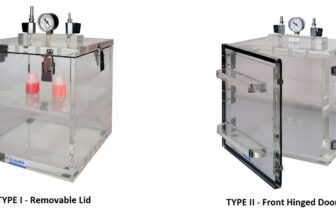
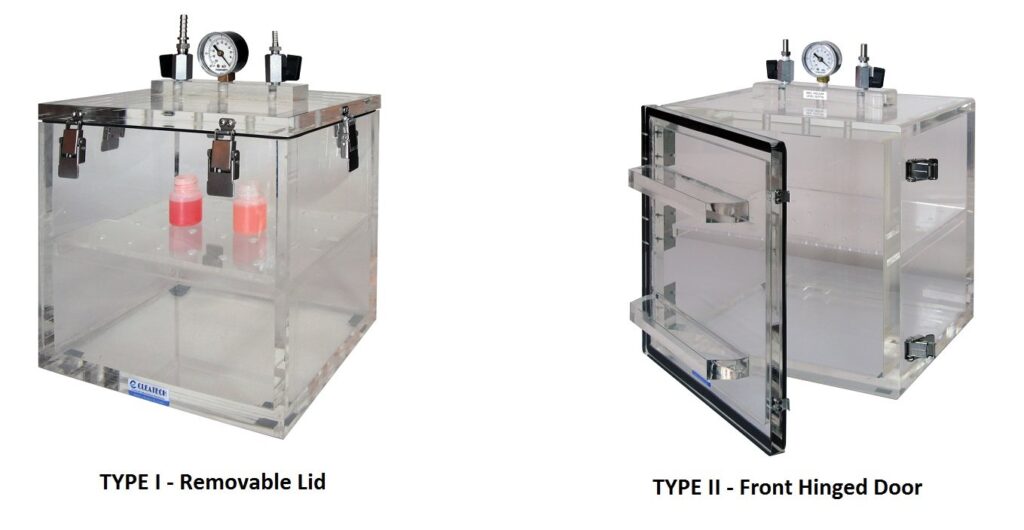
A vacuum desiccator chamber removes air from its sealed enclosure using a vacuum source. As pressure decreases, moisture trapped inside the chamber is significantly reduced, creating an ideal storage environment for delicate materials.
Unlike ordinary storage containers, vacuum chambers provide enhanced protection by minimizing exposure to:
- Atmospheric humidity
- Oxygen
- Airborne particles
- Dust contamination
- Moisture-driven chemical reactions
When combined with desiccants, vacuum storage offers an even greater level of environmental control for highly sensitive applications.
Key Ways Vacuum Desiccator Chambers Protect Sensitive Components
Prevent Moisture Damage
Humidity is one of the leading causes of material degradation. Moisture can alter physical properties, reduce electrical performance, and encourage corrosion.
Using a Vacuum Desiccator Chamber like high-performance vacuum desiccator chamber for moisture-sensitive laboratory materials helps maintain an ultra-dry environment that preserves delicate components during storage and handling.
Learn more about advanced Vacuum Desiccator Chamber solutions for laboratory moisture control and sensitive component protection designed for demanding laboratory applications.
Minimize Oxidation
Many metals and chemicals react with oxygen over time. Oxidation can damage surfaces, alter chemical composition, and reduce product lifespan.
Vacuum storage significantly slows oxidation by reducing the amount of oxygen surrounding sensitive components.
This is especially valuable for:
- Semiconductor devices
- Precision machined parts
- Specialty metals
- Chemical standards
- Research samples
Improve Sample Stability
Research laboratories often require stable storage conditions between experiments.
A vacuum desiccator chamber helps preserve:
- Calibration standards
- Analytical samples
- Biological specimens
- Powder materials
- Reference materials
Maintaining consistent storage conditions improves repeatability and increases confidence in experimental results.
Protect Electronic Components
Electronic assemblies are highly vulnerable to moisture.
Humidity may cause:
- Corrosion
- Conductive residue
- Component failure
- Poor solderability
- Reduced reliability
Proper vacuum storage helps maintain the integrity of printed circuit boards, sensors, microchips, connectors, and precision electronics before installation or testing.
Reduce Contamination Risks
Clean components are essential in industries where contamination can compromise quality.
Vacuum desiccator chambers create an enclosed environment that minimizes exposure to:
- Dust
- Fibers
- Airborne particles
- Laboratory contaminants
This additional protection supports cleaner workflows in research, manufacturing, and quality assurance environments.
Extend Product Shelf Life
Environmental degradation often leads to unnecessary waste.
Vacuum storage slows deterioration by reducing:
- Moisture absorption
- Oxidation
- Chemical reactions
- Environmental contamination
As a result, you can safely store valuable materials for longer periods without compromising quality.
Support High-Precision Manufacturing
Industries requiring tight tolerances depend on consistent environmental control.
Vacuum desiccator chambers support manufacturing processes involving:
- Medical devices
- Aerospace components
- Optical assemblies
- Semiconductor manufacturing
- Precision instrumentation
Stable storage conditions help ensure materials remain within required specifications throughout production.
Enhance Laboratory Workflow
Proper storage solutions improve overall laboratory organization and efficiency.
Instead of repeatedly replacing damaged samples, your team can:
- Preserve prepared materials
- Reduce material waste
- Improve inventory management
- Increase experimental consistency
- Save preparation time
These operational improvements contribute to higher productivity across research and manufacturing environments.
Features to Consider When Choosing a Vacuum Desiccator Chamber
Selecting the right chamber depends on your specific application. Consider features such as:
- Durable construction materials
- Reliable vacuum sealing
- Chemical-resistant design
- Clear viewing panels
- Multiple shelf configurations
- Easy maintenance
- Vacuum gauge integration
- Compatibility with laboratory equipment
Choosing the appropriate size and configuration ensures the chamber supports your workflow both now and in the future.
Applications Across Multiple Industries
Vacuum desiccator chambers serve a wide range of industries, including:
- Pharmaceutical laboratories
- Biotechnology research
- Electronics manufacturing
- Universities
- Aerospace engineering
- Medical device production
- Chemical laboratories
- Quality control facilities
Wherever moisture-sensitive materials require dependable storage, vacuum chambers provide a practical and effective solution.
Choose Reliable Laboratory Solutions
Selecting high-quality laboratory equipment helps maintain consistent environmental control while protecting valuable research materials and production components.
Explore innovative laboratory contamination-control equipment from CleaTech LLC, a trusted manufacturer of vacuum desiccator chambers and cleanroom solutions for laboratories and industrial applications. Whether you need standard configurations or custom-built systems, investing in dependable equipment supports long-term operational success.
If you need assistance selecting the right vacuum storage solution for your application, Contact us today to discuss your laboratory requirements with our technical specialists.
Conclusion
Protecting sensitive components requires more than careful handling. Moisture, oxygen, and contamination can gradually reduce performance, compromise research accuracy, and increase replacement costs. A vacuum desiccator chamber creates a controlled environment that minimizes these risks while extending the life of valuable materials.
By incorporating vacuum storage into your laboratory or manufacturing workflow, you improve product reliability, preserve sample quality, and support consistent operational performance. Investing in the right environmental protection solution ultimately safeguards both your research and your bottom line.
Frequently Asked Questions
What is a vacuum desiccator chamber used for?
A vacuum desiccator chamber stores moisture-sensitive materials by removing air and reducing humidity, helping protect laboratory samples, electronics, chemicals, and precision components.
How does a vacuum desiccator chamber prevent moisture damage?
It creates a low-pressure environment that minimizes moisture exposure, reducing corrosion, oxidation, and material degradation.
Which industries commonly use vacuum desiccator chambers?
Pharmaceutical, biotechnology, electronics, aerospace, medical device, chemical, research, and quality control laboratories commonly use vacuum desiccator chambers.
Can vacuum desiccator chambers improve sample shelf life?
Yes. By limiting moisture and oxygen exposure, they help preserve sample stability and extend the storage life of sensitive materials.
What should you consider when selecting a vacuum desiccator chamber?
Consider chamber size, sealing performance, material compatibility, chemical resistance, vacuum capability, shelving options, durability, and suitability for your specific laboratory application.