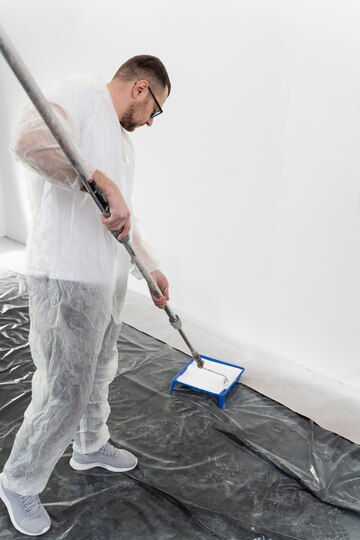
Unveiling the Secrets of Industrial Painting Mastery
Industrial painting is more than just applying paint to surfaces; it’s a specialized craft that requires skill, precision, and expertise. In this guide, we’ll delve into the world of industrial painting, exploring techniques, tips, and insider secrets to help you master the art and achieve outstanding results for your projects. industrial floor painting Los Angeles CA
1. Understanding Industrial Painting
Industrial vs. Commercial Painting: While commercial painting focuses on aesthetic appeal, industrial painting is primarily concerned with protection and durability. Industrial painters use specialized coatings and techniques to safeguard surfaces from corrosion, chemicals, and harsh environmental conditions.
Scope of Industrial Painting: Industrial painting encompasses a wide range of surfaces and structures, including warehouses, manufacturing facilities, pipelines, storage tanks, and more. Each project presents unique challenges and requires tailored solutions to achieve optimal results.
2. Essential Techniques for Industrial Painters
Surface Preparation: Proper surface preparation is essential for ensuring adhesion and longevity of the paint coating. Techniques such as pressure washing, sandblasting, and chemical cleaning remove contaminants and create a clean, smooth surface for painting.
Coatings Application: Industrial painters are proficient in various coatings application methods, including spraying, brushing, and rolling. Each method has its advantages and is chosen based on the type of surface, coating material, and project requirements. industrial floor painting Las Vegas NV
3. Insider Tips for Industrial Painting Success
Choose the Right Coatings: Selecting the appropriate coatings is crucial for achieving desired results. Consider factors such as substrate material, exposure conditions, and performance requirements when choosing coatings for industrial painting projects.
Follow Proper Safety Protocols: Industrial painting often involves working at heights or in confined spaces, exposing painters to potential hazards. Prioritize safety by providing adequate training, protective equipment, and adhering to safety regulations at all times.
4. Advantages of Hiring Professional Industrial Painting Contractors
Expertise and Experience: Professional industrial painting contractors bring specialized expertise and experience to every project, ensuring high-quality results and adherence to industry standards.
Efficiency and Timeliness: Industrial painting contractors have the resources and manpower to complete projects efficiently and within deadlines, minimizing downtime and disruptions to your operations.
5. Maximizing the Longevity of Industrial Paint Coatings
Regular Maintenance: Implement a proactive maintenance schedule to prolong the life of industrial paint coatings. This may include routine inspections, touch-ups, and cleaning to address any issues and prevent premature deterioration.
Conclusion
In conclusion, mastering the art of industrial painting requires a combination of skill, technique, and knowledge. By understanding the unique challenges and techniques involved in industrial painting, you can achieve exceptional results and protect your valuable assets for years to come. Whether you’re a seasoned professional or a DIY enthusiast, the tips and techniques outlined in this guide will help you elevate your industrial painting game and achieve success in your projects. industrial floor painting Phoenix AZ